

It's not skill that defines the artist, nor is it his manual ability. Perhaps this is
A controversial opinion, but it's equally true. Talent contributes, but it's a factor.
only partial of a possible success from a social and economic point of view.
There are many people who are good at painting and sculpting, some better than others, but not
all these people can be defined as masters of art. The first step from
The journey from craftsman to artist begins with manual skill, ideas, concepts, and innovation.
more than this, however, the consecration of a product of human ingenuity as a work of art
It depends on the audience and the almost universal recognition that an object is connoted
from certain aesthetic and conceptual characteristics that make it art. The fact is that
this recognition must be conveyed, the story must be told because
otherwise it cannot work. There are several figures who can therefore communicate and
convey the message of the work, the artist himself, the critic, the gallery owner, the patron. It is rare
whether it is a bottom-up approach, where the general public is involved from the very beginning
creating a platform large enough to generate recognition, most of the time it is a matter of
a top-down approach, where recognized figures in the field create a narrative that
can accompany the artist in whom they place their trust. More this narrative
it works, the more it generates mystery, desire or anger; the more people can identify with it
in his works or in his concepts, the more an echo is created that expands. It starts at one point, but
It doesn't stay there: it spreads, bounces around, and imprints itself in the memory. This is partly why
so, sometimes, an artist becomes famous during his lifetime, also thanks to his ability to
self-promotion; other times, however, his biography is reread and adapted post mortem,
to build a character with an aura capable of reaching a
widespread recognition. And no, it's not true that the value of a work increases
economically when an artist disappears. Unfortunately, it is a question that, for those who ask
as an intermediary, is often repeated when talking about contemporary artists.
the truth is that it is marketing, research and bibliographic narration that build the artist; and
if the driving force that sustains a painter dies with him, however much it may be
talented state, risks quickly falling into oblivion. Even when this does not happen, his
prices tend to drop significantly: only through targeted actions can this trend be reversed
be reversed. There are no instruction manuals and no absolute certainties on how to create a
artist, but certainly there are stories to be retraced that make us understand that we must find
the key to proposing the artist to the general public. We all know how the
Mona Lisa gained new importance when it was stolen, which Dalí presented
with the anteater to generate curiosity and that Haring has become an icon of the community
LGBTQIA+ and the face of HIV research. However, here we would like to retrace one of the
The most striking examples of post-mortem artistic valorization are that of Vincent van Gogh.
Today we all know the face of Van Gogh, we find him and his works on T-Shirts,
bags, gadgets of all kinds and even Lego has dedicated sets to him. These are
one of the most recognized, reproduced, requested and iconic artists globally, and yet, in
life, he was unsuccessful. He committed suicide: poor, dissatisfied and subjugated by
mental disorders. Of the hundreds of paintings he painted in the short span of about ten years,
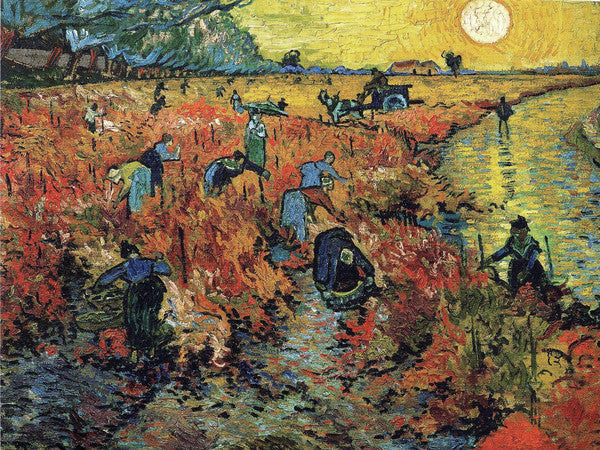
We are certain of a single sale, that of The Red Vineyard of Arles. The work was
purchased in 1890 by Anna Bloch, Belgian collector and artist, who paid 400
francs, about $2,000 today, unlike the million-dollar figures that are requested today for the
his paintings. The first recognition of van Gogh's work came a few years after his
The key figure in his success was Johanna Bonger, his brother's widow. Theo died
only six months after Vincent, and so Johanna was left alone to raise their son. It was she who
to inherit all the painter's paintings, drawings and letters. In those years he began to read the
letters between the two brothers, initially to find her husband, and through him she learns to
love Vincent too. She feels the responsibility to honor her husband and brother as if
had a mission to accomplish, to honor the boundless love Theo felt for the
brother (just consider that their son also took the name Vincent). He decides not to
sell off, he doesn't want to get rid of the works and decides to try to implement the
strategy developed in van Gogh's letters: exhibit as much as possible, sell
as much as it takes to finance other exhibitions, do not waste the work. In the artist's biography
signed by her tells how she was initially forced to face "the contempt, the doors
closed, the forest of "no" towards an artist considered at times too modern, at times
just crazy. He moves from France to Holland, where with the help of his father
he bought a house in Bussum, bringing with him about 200 works, creating a space
exhibition space that today we could define as a showroom, a private space accessible to
friends and curious people. He begins to send a copious number of letters and to propose the works to
consecrated figures of the world of collectors, trying to organize the first exhibitions. With
art critics, on the other hand, do not proceed in a blanket manner, but create targeted and intense relationships with the
most recognized figures. He realizes that, to achieve the greatest economic success, he must
to combine the work of the merchants with the ability of the critics to fictionalize the life and works of the
deceased brother-in-law. The culmination of this work came when, in 1905, he invested his own
money to be able to exhibit over 400 works at the Stedelijk Museum. The exhibition is met with a
widespread success, with over two thousand visitors in two months, which triggers a mechanism
which makes the work known to the general public, going beyond just professionals
sector. In 1914 the Letters were also published in the form of a literary novel,
support the dissemination of the story of the artist's life, where they become a source
primary. These letters also struck one of the greatest collectors of the time,
Helene Kröller-Müller, and her contribution will become fundamental for the recognition
global. Due to historical conjuncture, the expressionist currents were born in the same period
in the surrounding areas, helping even more to unlock acceptance and appreciation
of the vivacity of the sign and of the colour; and the awareness of the little success that they have
Gogh had in life further fueled the myth that came to surround him.
This example makes us understand how even the greatest artistic talent becomes truly
such only when its history and its work are recognized, studied,
communicated and disseminated, through narrative and marketing strategies capable of giving the
right weight to the quality of the work, even when it anticipates the aesthetic canons of its own
era. It's not enough to be good if no one sees you; and perhaps, if it hadn't been for people
like Johanna, the memory of a genius like Vincent Van Gogh would also have been lost
over time.
Van Gogh and the construction of genius: narration as the final brushstroke of the work.
Related Posts

Le mezze tinte - tra sfumatura e significato
Abbiamo parlato di bianco e nero, di rosso e blu, di verde e giallo. Ma il mondo reale, quello che abitiamo ogni giorno, quello che vediamo nel guardaroba, nelle strade, nelle vetrine, è fatto soprattutto di altro. È fatto di rosa cipria e di grigio perla, di arancio bruciato e di malva, di marrone terra e di viola vescovile. È fatto, insomma, di mezze tinte: quei colori che stanno tra i colori, che non hanno mai avuto lo stesso peso simbolico dei sei colori di base, ma che nella vita quotidiana occupano uno spazio enorme. Il rosa non è sempre esistito come colore autonomo. Per secoli, era semplicemente un rosso attenuato, una variante più chiara di qualcosa che aveva già un nome. Fu il Romanticismo, nel XVIII secolo, a dargli un'identità propria e, con essa, una simbologia precisa: la femminilità, la tenerezza, la dolcezza. Un simbolismo così potente da sopravvivere intatto fino a oggi, condensato nell'espressione comune di vedere la vita in rosa. Il suo lato meno lusinghiero è la leziosità, l'eccesso di sentimentalismo, quella qualità un po' vuota dell'acqua di rose. Eppure il rosa ha saputo reinventarsi: la bandiera arcobaleno, che lo include tra i colori della diversità e della tolleranza, gli ha aperto un capitolo completamente nuovo della sua storia. Se il rosa è un rosso addolcito, il grigio è qualcosa di più difficile da definire. Non è la mescolanza di due colori qualsiasi: è la zona di confine tra il bianco e il nero, e porta con sé tutta l'ambivalenza di quella posizione. Evoca la tristezza, la malinconia, il tedio. Eppure, per Goethe, era il colore più ricco di tutti, quello che contiene il maggior numero di sfumature possibili e che esalta tutti gli altri per contrasto. Il pittore della domenica, osservava, ama il grigio proprio perché autorizza le monocromie più delicate. E in effetti: fumo di Londra, grigio ardesia, grigio perla, ogni variante porta con sé un'atmosfera diversa, quasi un carattere. Le mezze tinte non sono portatrici di grandi simboli come il rosso o il blu. Hanno un significato prevalentemente estetico e forse è proprio per questo che ci parlano in modo più intimo, meno codificato, più personale. Il marrone è probabilmente il colore meno amato in assoluto tra tutti quelli che abbiamo a disposizione. Evoca la sporcizia, la povertà, il logorio e, non a caso, la parola italiana deriva dal nome del frutto della castagna, come se il colore non meritasse nemmeno un termine proprio. L'arancio ha avuto fortune alterne: nel Medioevo non esisteva nemmeno come categoria cromatica autonoma, prima dell'arrivo dei frutti che gli hanno dato il nome. Oggi campeggia sugli imballaggi dei medicinali e sulle pareti delle cucine, spesso con un effetto un po' aggressivo, tanto che molti lo considerano ormai simbolo di volgarità. La grande lezione che emerge da questo catalogo di sfumature è forse la più radicale dell'intera storia dei colori: un colore non esiste in natura in modo oggettivo. Esiste perché un occhio lo guarda, perché una cultura lo nomina, perché una società decide di attribuirgli un significato. Il fisico misura lunghezze d'onda. Ma il rosa confetto, il fumo di Londra, il beige, il turchese, questi non sono lunghezze d'onda: sono costruzioni umane, invenzioni collettive, categorie dello spirito. Infatti lo dice Goethe: "un colore rimane un colore solo per la durata di tempo in cui lo guardiamo" Siamo noi a fare i colori. E forse, una volta capito questo, possiamo permetterci di guardarli con un occhio più libero, con la competenza di chi conosce la loro storia e l'innocenza di chi la sa dimenticare al momento giusto.
Learn more
VendereQuadri mette a tua disposizione un Art Consultant: compra e vendi opere d'arte con la guida di un esperto
VendereQuadri lancia il servizio di Art Consulting: un professionista esperto ti affianca nell'acquisto e nella vendita di opere d'arte. Scopri come funziona.
Learn more
Il verde - tra veleno e bio
C'è qualcosa di insidioso nel verde. Lo guardiamo e pensiamo alla natura, alla calma, alla speranza. Lo troviamo sui cassonetti della raccolta differenziata, sulle insegne delle farmacie, sulle etichette del biologico. Eppure, per secoli, questo colore ha goduto di una reputazione tutt'altro che rassicurante: era il colore dell'instabilità, dell'inganno, del veleno. Il verde, in fondo, ha sempre nascosto bene il proprio gioco. Prima di parlare di simboli, bisogna capire la materia. E la materia, nel caso del verde, è stata per lunghissimo tempo un problema. Ottenere un verde stabile era una delle sfide più ardue per i pittori e i tintori medievali. Le fonti vegetali (foglie, cortecce, radici) producevano toni che sbiadivano rapidamente alla luce, si alteravano con l'umidità, reagivano male con le fibre dei tessuti. I verdi minerali ottenuti con ossidazioni chimiche erano tecnicamente più brillanti, ma spesso contenevano sostanze corrosive o addirittura tossiche. In tedesco, non a caso, esisteva l'espressione "Giftgrün": verde veleno. Questa instabilità chimica non era un dettaglio tecnico: ha plasmato profondamente il modo in cui le società europee hanno percepito e usato questo colore. Un pigmento che non si poteva controllare era un pigmento di cui non ci si poteva fidare. E quella sfiducia si è trasferita, nei secoli, nell'immaginario collettivo. Nel Medioevo e nel Rinascimento, il verde era il colore di tutto ciò che si muove, che cambia, che sfugge. Era associato al caso, alla fortuna, ma anche alla sfortuna. Non a caso, sui tavoli da gioco di Venezia si posavano le carte e il denaro su un tappeto verde: il colore del destino, di ciò che può sorridere o tradire in un istante. Il verde era anche il colore dei buffoni, dei cacciatori, degli innamorati. Tutto ciò che aveva a che fare con l'incostanza e il mutamento trovava in questo colore il suo emblema naturale. Non sorprende, allora, che il verde fosse anche il colore preferito per raffigurare esseri ambigui e pericolosi: draghi, demoni, serpenti, creature che abitano le soglie tra il mondo dei vivi e quello dei morti. Gli attori di teatro ancora oggi, in alcuni paesi, evitano di indossarlo in scena: una superstizione antichissima, radicata in un tempo in cui il verde era davvero considerato un presagio nefasto. C'è anche una vicenda scientifica, o meglio pseudoscientifica, che ha penalizzato il verde in modo sorprendente. Quando, nel XVIII secolo, i chimici elaborarono la teoria dei colori primari e complementari, il verde fu declassato a colore secondario, frutto della mescolanza di giallo e blu. Per i nostri antenati, questa idea sarebbe sembrata assurda: loro sapevano benissimo creare il verde direttamente, e nella scala cromatica antica lo collocavano accanto al rosso e al nero, come colore autonomo e fondamentale. Ma la teoria dei complementari si impose e con essa, una svalutazione culturale del verde che raggiunse il culmine tra Otto e Novecento. Il Bauhaus, le scuole di design, pittori come Mondrian lo estromisero quasi del tutto dalla propria produzione, relegandolo a colore di seconda categoria. Con la scusa di conformarsi alla scienza, l'arte escludeva un colore che aveva accompagnato l'umanità da millenni. Eppure il verde non ha mai smesso di circolare. Tra Settecento e Ottocento è diventato il colore della carta moneta americana e non per caso, ma perché nell'immaginario popolare il verde evocava già l'azzardo, la finanza, il rischio calcolato. Il dollaro verde porta con sé una storia di tavoli da gioco e di fortuna mutevole che affonda le radici nel Medioevo. Nel corso del Novecento, poi, qualcosa è cambiato. Essendo considerato il complementare del rosso (il colore del proibito), il verde è diventato quasi per contrasto il colore del permesso, del via libera, della libertà. Semafori, segnaletica stradale, zone franche: il verde è diventato il colore del sì. E quando, dagli anni Settanta in poi, la sensibilità ecologica ha cominciato a diffondersi nelle società occidentali, il verde era già lì, pronto a farsi simbolo della natura, della pulizia, della sostenibilità. Oggi il verde è ovunque: zone verdi, numeri verdi, energia verde, partiti verdi, prodotti biologici con etichette verde smeraldo. È diventato il colore della promessa ecologica, del ritorno alla natura, della coscienza ambientale. Ma vale la pena ricordare da dove viene: da secoli di instabilità chimica, di associazioni con il demoniaco, di fortuna e sfortuna, di veleni e di inganni. Il verde è un colore che ha attraversato la storia cambiando faccia ad ogni epoca, adattandosi e reinventandosi. Forse è proprio questa capacità di trasformazione, quell'instabilità originaria che lo rendeva inaffidabile in laboratorio, a renderlo così perfetto per il nostro tempo, in cui tutto cambia in fretta e ogni certezza ha il colore provvisorio di una speranza.
Learn more