

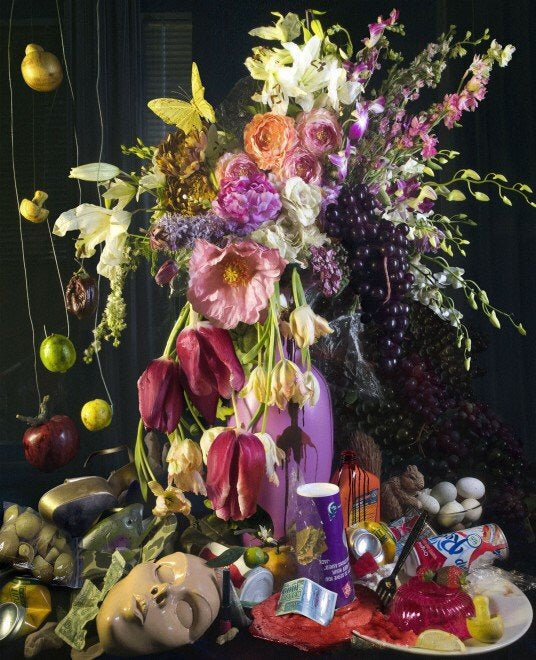
From Campbell's Soup to Matisse. Art in the Year of Expo
Related Posts

Le mezze tinte - tra sfumatura e significato
Abbiamo parlato di bianco e nero, di rosso e blu, di verde e giallo. Ma il mondo reale, quello che abitiamo ogni giorno, quello che vediamo nel guardaroba, nelle strade, nelle vetrine, è fatto soprattutto di altro. È fatto di rosa cipria e di grigio perla, di arancio bruciato e di malva, di marrone terra e di viola vescovile. È fatto, insomma, di mezze tinte: quei colori che stanno tra i colori, che non hanno mai avuto lo stesso peso simbolico dei sei colori di base, ma che nella vita quotidiana occupano uno spazio enorme. Il rosa non è sempre esistito come colore autonomo. Per secoli, era semplicemente un rosso attenuato, una variante più chiara di qualcosa che aveva già un nome. Fu il Romanticismo, nel XVIII secolo, a dargli un'identità propria e, con essa, una simbologia precisa: la femminilità, la tenerezza, la dolcezza. Un simbolismo così potente da sopravvivere intatto fino a oggi, condensato nell'espressione comune di vedere la vita in rosa. Il suo lato meno lusinghiero è la leziosità, l'eccesso di sentimentalismo, quella qualità un po' vuota dell'acqua di rose. Eppure il rosa ha saputo reinventarsi: la bandiera arcobaleno, che lo include tra i colori della diversità e della tolleranza, gli ha aperto un capitolo completamente nuovo della sua storia. Se il rosa è un rosso addolcito, il grigio è qualcosa di più difficile da definire. Non è la mescolanza di due colori qualsiasi: è la zona di confine tra il bianco e il nero, e porta con sé tutta l'ambivalenza di quella posizione. Evoca la tristezza, la malinconia, il tedio. Eppure, per Goethe, era il colore più ricco di tutti, quello che contiene il maggior numero di sfumature possibili e che esalta tutti gli altri per contrasto. Il pittore della domenica, osservava, ama il grigio proprio perché autorizza le monocromie più delicate. E in effetti: fumo di Londra, grigio ardesia, grigio perla, ogni variante porta con sé un'atmosfera diversa, quasi un carattere. Le mezze tinte non sono portatrici di grandi simboli come il rosso o il blu. Hanno un significato prevalentemente estetico e forse è proprio per questo che ci parlano in modo più intimo, meno codificato, più personale. Il marrone è probabilmente il colore meno amato in assoluto tra tutti quelli che abbiamo a disposizione. Evoca la sporcizia, la povertà, il logorio e, non a caso, la parola italiana deriva dal nome del frutto della castagna, come se il colore non meritasse nemmeno un termine proprio. L'arancio ha avuto fortune alterne: nel Medioevo non esisteva nemmeno come categoria cromatica autonoma, prima dell'arrivo dei frutti che gli hanno dato il nome. Oggi campeggia sugli imballaggi dei medicinali e sulle pareti delle cucine, spesso con un effetto un po' aggressivo, tanto che molti lo considerano ormai simbolo di volgarità. La grande lezione che emerge da questo catalogo di sfumature è forse la più radicale dell'intera storia dei colori: un colore non esiste in natura in modo oggettivo. Esiste perché un occhio lo guarda, perché una cultura lo nomina, perché una società decide di attribuirgli un significato. Il fisico misura lunghezze d'onda. Ma il rosa confetto, il fumo di Londra, il beige, il turchese, questi non sono lunghezze d'onda: sono costruzioni umane, invenzioni collettive, categorie dello spirito. Infatti lo dice Goethe: "un colore rimane un colore solo per la durata di tempo in cui lo guardiamo" Siamo noi a fare i colori. E forse, una volta capito questo, possiamo permetterci di guardarli con un occhio più libero, con la competenza di chi conosce la loro storia e l'innocenza di chi la sa dimenticare al momento giusto.
Learn more
VendereQuadri mette a tua disposizione un Art Consultant: compra e vendi opere d'arte con la guida di un esperto
VendereQuadri lancia il servizio di Art Consulting: un professionista esperto ti affianca nell'acquisto e nella vendita di opere d'arte. Scopri come funziona.
Learn more
Il verde - tra veleno e bio
C'è qualcosa di insidioso nel verde. Lo guardiamo e pensiamo alla natura, alla calma, alla speranza. Lo troviamo sui cassonetti della raccolta differenziata, sulle insegne delle farmacie, sulle etichette del biologico. Eppure, per secoli, questo colore ha goduto di una reputazione tutt'altro che rassicurante: era il colore dell'instabilità, dell'inganno, del veleno. Il verde, in fondo, ha sempre nascosto bene il proprio gioco. Prima di parlare di simboli, bisogna capire la materia. E la materia, nel caso del verde, è stata per lunghissimo tempo un problema. Ottenere un verde stabile era una delle sfide più ardue per i pittori e i tintori medievali. Le fonti vegetali (foglie, cortecce, radici) producevano toni che sbiadivano rapidamente alla luce, si alteravano con l'umidità, reagivano male con le fibre dei tessuti. I verdi minerali ottenuti con ossidazioni chimiche erano tecnicamente più brillanti, ma spesso contenevano sostanze corrosive o addirittura tossiche. In tedesco, non a caso, esisteva l'espressione "Giftgrün": verde veleno. Questa instabilità chimica non era un dettaglio tecnico: ha plasmato profondamente il modo in cui le società europee hanno percepito e usato questo colore. Un pigmento che non si poteva controllare era un pigmento di cui non ci si poteva fidare. E quella sfiducia si è trasferita, nei secoli, nell'immaginario collettivo. Nel Medioevo e nel Rinascimento, il verde era il colore di tutto ciò che si muove, che cambia, che sfugge. Era associato al caso, alla fortuna, ma anche alla sfortuna. Non a caso, sui tavoli da gioco di Venezia si posavano le carte e il denaro su un tappeto verde: il colore del destino, di ciò che può sorridere o tradire in un istante. Il verde era anche il colore dei buffoni, dei cacciatori, degli innamorati. Tutto ciò che aveva a che fare con l'incostanza e il mutamento trovava in questo colore il suo emblema naturale. Non sorprende, allora, che il verde fosse anche il colore preferito per raffigurare esseri ambigui e pericolosi: draghi, demoni, serpenti, creature che abitano le soglie tra il mondo dei vivi e quello dei morti. Gli attori di teatro ancora oggi, in alcuni paesi, evitano di indossarlo in scena: una superstizione antichissima, radicata in un tempo in cui il verde era davvero considerato un presagio nefasto. C'è anche una vicenda scientifica, o meglio pseudoscientifica, che ha penalizzato il verde in modo sorprendente. Quando, nel XVIII secolo, i chimici elaborarono la teoria dei colori primari e complementari, il verde fu declassato a colore secondario, frutto della mescolanza di giallo e blu. Per i nostri antenati, questa idea sarebbe sembrata assurda: loro sapevano benissimo creare il verde direttamente, e nella scala cromatica antica lo collocavano accanto al rosso e al nero, come colore autonomo e fondamentale. Ma la teoria dei complementari si impose e con essa, una svalutazione culturale del verde che raggiunse il culmine tra Otto e Novecento. Il Bauhaus, le scuole di design, pittori come Mondrian lo estromisero quasi del tutto dalla propria produzione, relegandolo a colore di seconda categoria. Con la scusa di conformarsi alla scienza, l'arte escludeva un colore che aveva accompagnato l'umanità da millenni. Eppure il verde non ha mai smesso di circolare. Tra Settecento e Ottocento è diventato il colore della carta moneta americana e non per caso, ma perché nell'immaginario popolare il verde evocava già l'azzardo, la finanza, il rischio calcolato. Il dollaro verde porta con sé una storia di tavoli da gioco e di fortuna mutevole che affonda le radici nel Medioevo. Nel corso del Novecento, poi, qualcosa è cambiato. Essendo considerato il complementare del rosso (il colore del proibito), il verde è diventato quasi per contrasto il colore del permesso, del via libera, della libertà. Semafori, segnaletica stradale, zone franche: il verde è diventato il colore del sì. E quando, dagli anni Settanta in poi, la sensibilità ecologica ha cominciato a diffondersi nelle società occidentali, il verde era già lì, pronto a farsi simbolo della natura, della pulizia, della sostenibilità. Oggi il verde è ovunque: zone verdi, numeri verdi, energia verde, partiti verdi, prodotti biologici con etichette verde smeraldo. È diventato il colore della promessa ecologica, del ritorno alla natura, della coscienza ambientale. Ma vale la pena ricordare da dove viene: da secoli di instabilità chimica, di associazioni con il demoniaco, di fortuna e sfortuna, di veleni e di inganni. Il verde è un colore che ha attraversato la storia cambiando faccia ad ogni epoca, adattandosi e reinventandosi. Forse è proprio questa capacità di trasformazione, quell'instabilità originaria che lo rendeva inaffidabile in laboratorio, a renderlo così perfetto per il nostro tempo, in cui tutto cambia in fretta e ogni certezza ha il colore provvisorio di una speranza.
Learn more